


Key Takeaways
- Playgroup programmes support early social, emotional, and language development in a natural, low-pressure setting
- Structured play helps young children adjust to routines, group settings, and adult guidance before formal schooling
- Playgroup experiences often influence how families view long-term education value and preschool fees in Singapore
- Early exposure builds confidence, curiosity, and learning habits that carry into the preschool years
Introduction
The early years move quickly. One moment, a child is clinging to a parent’s leg; the next, curiosity takes over, and the world suddenly looks bigger. This is where a playgroup quietly steps in. It is not a formal school, not babysitting either, but something in between that gives children room to explore while learning how to exist with others.
For many Singaporean families, the decision to enrol a child in a playgroup feels both exciting and slightly nerve-racking. Questions surface fast. Is it too early? Will it help or overwhelm? And, inevitably, how does this choice fit into long-term planning, especially when preschool fees in Singapore are already part of the conversation?
Where Learning Starts Without Feeling Like Learning
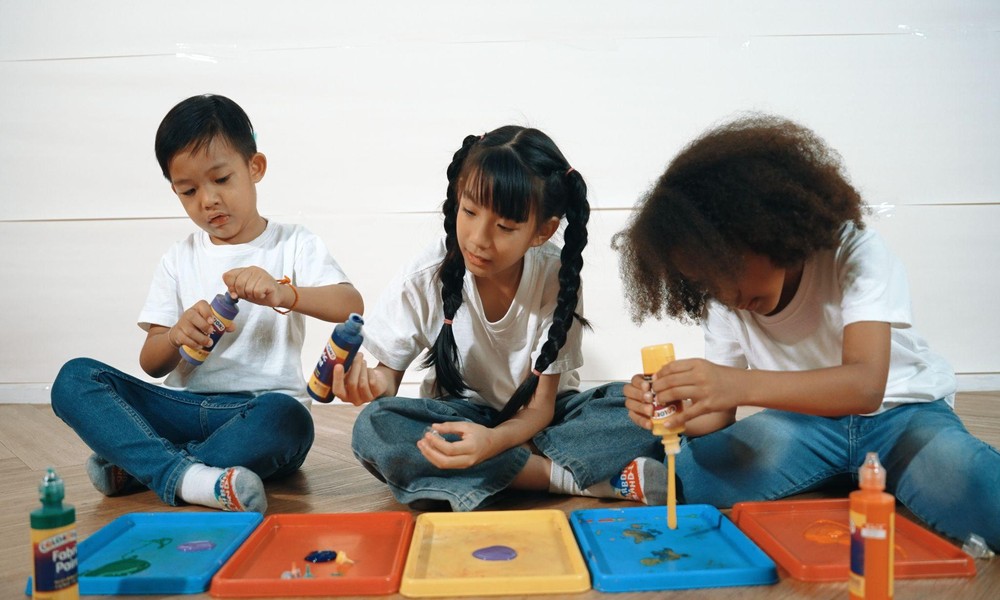
A playgroup does not look like a classroom in the traditional sense. There are blocks scattered across the floor, songs floating through the room, and teachers who spend as much time kneeling as standing. Yet beneath the relaxed atmosphere sits a clear purpose.
Through guided play, children learn to wait their turn, follow simple instructions, and express needs using words instead of tears. These small moments matter. They shape how children handle frustration and curiosity long before worksheets or spelling lists enter the picture.
It is also often the first time children experience a routine outside the home. Snack time, clean-up songs, and circle activities introduce gentle structure without pressure, which makes later transitions smoother.
Social Skills That Cannot Be Rushed
Parents sometimes assume social skills develop naturally at playgrounds or family gatherings. To a point, that is true. But a playgroup creates consistency. Seeing the same faces each week helps children practise trust, sharing, and cooperation in a predictable environment.
Disagreements happen. Someone grabs a toy. Someone cries. This is not failure; it is practice. Teachers step in calmly, naming emotions and guiding simple solutions. Over time, children begin to copy this language themselves. That confidence often shows up later in preschool classrooms, where group dynamics become more complex.
Emotional Confidence, Built Slowly
There is a quiet emotional shift that happens during the playgroup months. Children begin to separate from caregivers with less fear. They learn that adults return, routines hold steady, and unfamiliar spaces can feel safe.
This emotional resilience often gets overlooked because it is subtle. Yet it affects everything from classroom participation to how children respond to new challenges. Families frequently notice that children who have attended a playgroup settle into preschool more smoothly, which can influence decisions around programme selection and preschool fees in Singapore later on.
Language Growth Through Everyday Moments
Songs, stories, and simple conversations are the backbone of most playgroup sessions. Language learning here is casual but constant. Children hear instructions, imitate peers, and slowly experiment with new words in a low-stakes setting.
For bilingual households, this exposure can be especially helpful. Hearing consistent language models outside the home adds reinforcement without turning learning into a chore.
A Gentle Bridge to Formal Preschool
While a playgroup is not academic, it lays the groundwork that makes structured learning less intimidating. Children become familiar with classroom norms such as sitting briefly for group activities, listening to another adult, and completing short tasks.
This early exposure often helps parents better evaluate what they want from a preschool later on. Understanding how a child responds in a group setting can clarify priorities, whether that is class size, teaching style, or how preschool fees in Singapore align with perceived value.
Choosing With Long-Term Perspective
Playgroup enrolment is rarely just about the present moment. It is part of a wider picture that includes schedules, family routines, and future schooling plans. While cost matters, so does fit. A supportive playgroup experience can influence how confident parents feel when making later educational investments.
Conclusion
Playgroup programmes may look simple on the surface, but their impact runs deep. They introduce structure without rigidity, social skills without pressure, and learning without labels. For many children, a playgroup becomes the first place where independence begins to feel natural.
For families weighing early education choices, this stage offers clarity, not just for a child’s readiness, but for understanding how future decisions, including preschool fees in Singapore, align with values and expectations.
To learn more about programmes that support early development, contact Raffles Kidz International today and explore how a well-designed playgroup can make a meaningful difference.
