


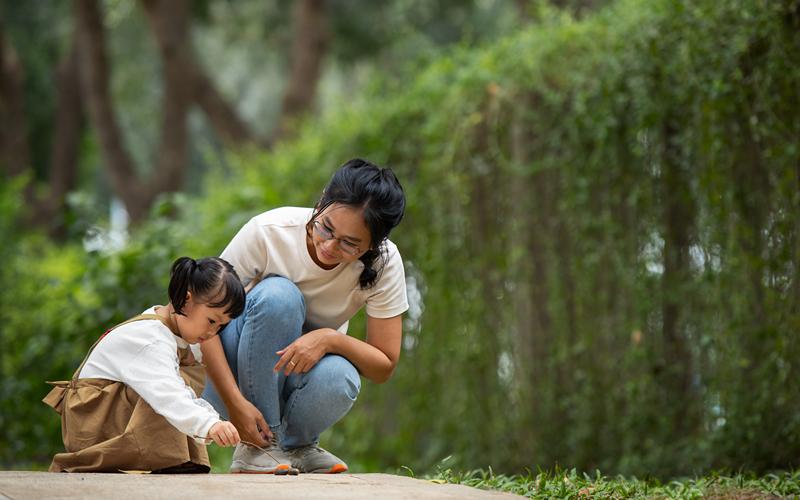
Every parent in the city-state eventually faces the same question: when is the right time to move from a playgroupto a Chinese preschool? The decision isn’t simply about turning three; it’s about recognising your child’s readiness to explore, adapt, and communicate in a more structured bilingual environment. Getting the timing right can make all the difference between a smooth transition and a stressful one, laying the foundation for a lifelong love of learning.
Understanding the Role of Playgroups in Early Learning
A playgroup is often a child’s first taste of life beyond the home—a small, safe space where play and discovery take centre stage. This stage, for toddlers between 18 months and 3 years old, is less about learning letters and numbers and more about learning how to share toys, listen to stories, and join in a song without clinging too tightly to Mum or Dad.
These playgroups build essential social and emotional skills through play-based routines like finger painting, building blocks, and music circles. Each activity subtly teaches structure and cooperation without pressure. Think of it as emotional groundwork; before a child can sit for a Mandarin storytelling session or trace Chinese characters, they must first learn to take turns and trust their teachers. That’s why playgroups are not just childcare; they’re the gentle start to a child’s educational journey.
Key Differences Between Playgroup and Chinese Preschool
While playgroups keep things light and exploratory, Chinese preschools introduce rhythm, discipline, and language immersion. Children aged three to six are gradually introduced to lessons in Mandarin through songs, rhymes, and cultural stories. It’s not uncommon to hear them singing Chinese nursery tunes or practising simple greetings after a few weeks.
The environment becomes more structured. Children follow a timetable, join small-group lessons, and complete short guided tasks. Teachers weave language into everything—from snack time to storytelling—making Mandarin feel natural and relevant. The focus shifts from spontaneous play to intentional learning, building cognitive and linguistic readiness for primary school.
This change can feel abrupt for some children if they’ve not yet mastered independence or focus. That’s why understanding the pace of this transition is vital; it’s not just about moving up, it’s about moving forward when your child is ready.
Signs Your Child Is Ready for the Transition
You’ll know your child is ready to move from a playgroup in Singapore to a Chinese preschool when curiosity starts to replace hesitation. They begin following simple instructions, can communicate their needs clearly, and show excitement about songs or stories in Mandarin. A child who joins in circle time rather than sitting on the sidelines is showing emotional readiness to engage more deeply.
Confidence in new settings is another strong signal. Once your child no longer cries at drop-off and enjoys interacting with teachers and friends, they’re likely ready for the more structured preschool routine. The goal is not perfection but progress; children who feel safe and eager to learn will adapt faster to the language-rich, semi-academic environment of a Chinese preschool.
The Ideal Age and Transition Process
Most parents make the switch around age three, when many Chinese preschools start accepting students. But readiness isn’t always about numbers. Some children benefit from staying longer in playgroups to strengthen social and emotional foundations before diving into a bilingual curriculum.
The best transitions are gradual. Some centres offer bridging programmes where playgroup children attend short Mandarin-immersion sessions. Parents can reinforce this at home by reading Chinese picture books or singing simple Mandarin nursery songs together. Even small efforts—like greeting teachers in Mandarin—help children feel confident when they enter their new classroom. Visiting the preschool before enrolment also helps make the new environment feel familiar.
Choosing the Right Chinese Preschool
Each Chinese preschool has its own approach to bilingual learning. Some focus heavily on Mandarin immersion, while others take a balanced bilingual approach. Look beyond the brochure—observe how teachers interact with children and how Mandarin is integrated into daily play.
Class size, teacher experience, and teaching philosophy matter too. A smaller class may mean more individual attention, while a play-based curriculum can make the transition feel seamless. Communication with parents is equally essential; regular updates help families reinforce lessons at home, creating a consistent language-learning experience.
Conclusion
Transitioning from a playgroup to a Chinese preschool is one of the first big educational decisions parents will make. It’s not about rushing milestones but nurturing readiness—social, emotional, and linguistic. Once done thoughtfully, this move builds not just language skills, but confidence, curiosity, and resilience. The right start can turn Mandarin from a subject into a second nature, preparing your child for the bilingual world ahead.
Contact Orange Tree Preschool and let us help you take the next step in your child’s bilingual journey.
