


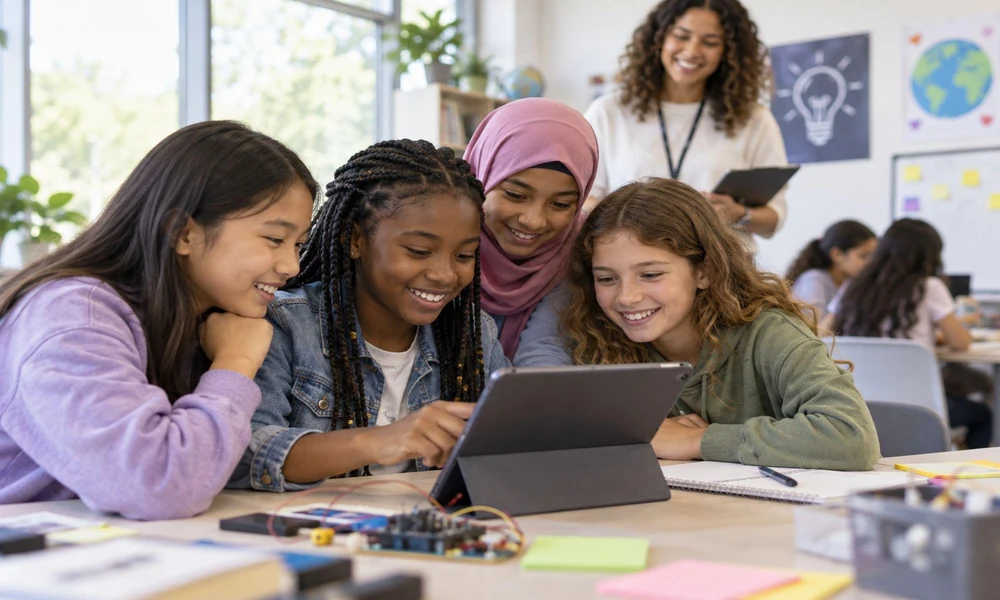
What Students Gain When Education Goes Beyond Grades
- Cultural intelligence helps students communicate respectfully with people from different backgrounds.
- Exposure to diverse perspectives encourages curiosity, empathy and open-minded thinking.
- An inclusive curriculum can make cultural awareness part of everyday classroom learning.
- Teachers and schools play an important role in creating an environment where differences are respected.
- Applying cultural intelligence beyond school prepares students for future academic, professional and social experiences.
Preparing Students for More Than Academic Success
Academic qualifications remain an important part of education. They show what students have learnt and can help them progress to further study or professional opportunities. However, academic knowledge alone does not always prepare young people for the challenges of working and communicating with people from different backgrounds.
Cultural intelligence is another valuable skill. It refers to the ability to understand, respect and respond appropriately to different cultural perspectives. Students with this ability can communicate more thoughtfully, work with people whose experiences differ from their own and approach unfamiliar situations with greater confidence.
In a diverse society such as Singapore, these skills have particular relevance. Students may encounter different languages, customs, beliefs and ways of expressing ideas in their classrooms and communities. Private international schools in Singapore can provide opportunities to develop cultural awareness alongside academic knowledge. A well-considered curriculum can help students recognise that education is not only about gaining qualifications, but also about learning how to participate responsibly in a connected world.
Why Does Cultural Intelligence Matter in a Diverse Learning Environment?
Cultural intelligence helps students understand that people may approach the same situation in different ways. A classmate’s communication style, family traditions or perspective on a subject may reflect experiences that are unfamiliar to others. Rather than making assumptions, culturally aware students learn to listen, ask respectful questions and consider alternative viewpoints.
These habits can make classroom discussions more meaningful. When students feel that their backgrounds and ideas are respected, they may become more willing to contribute. They can also learn to disagree without dismissing another person’s perspective.
This understanding extends beyond the classroom. As students move into higher education and employment, they may work with colleagues, clients and communities from different parts of the world. Cultural intelligence can help them navigate these interactions with patience and consideration.
It also encourages self-awareness. Students begin to recognise how their own upbringing and experiences shape their views. This does not mean abandoning personal values. Instead, it means understanding that other people may hold different values and that respectful communication is possible even when opinions differ.
How Can a Curriculum Encourage Intercultural Understanding?
A curriculum can shape how students learn about the world and interact with others. While academic subjects provide essential knowledge, the way lessons are taught can also encourage curiosity, empathy and open-mindedness.
For example, literature lessons can introduce students to stories from different cultures and historical periods. Social studies can help them examine how communities develop and respond to change. Group projects can bring together students with different experiences, giving them opportunities to share ideas and solve problems collaboratively.
Language learning is another useful way to build cultural awareness. Studying another language can introduce students to different expressions, social customs and ways of communicating. It can also help them appreciate why direct translations do not always capture the full meaning of a conversation.
An effective curriculum should connect these experiences to everyday learning rather than treating cultural awareness as an occasional classroom topic. Teachers can encourage students to reflect on different viewpoints, discuss unfamiliar ideas respectfully and consider how their actions affect others. An individualised learning approach can support this process by recognising that students have different strengths, experiences and ways of participating.
What Role Do Teachers and Schools Play in Building Cultural Intelligence?
Teachers have an important influence on how students understand and respond to cultural differences. Their choice of learning materials, classroom discussions and group activities can show students that different perspectives deserve thoughtful consideration.
Inclusive teaching also involves recognising that students do not all learn or communicate in the same way. Some may be more comfortable speaking during discussions, while others may prefer to express their ideas through writing or collaborative tasks. Providing different ways to participate can help more students feel included.
Schools can reinforce these lessons through their wider environment. Cultural celebrations, collaborative activities and opportunities for students to share aspects of their backgrounds can encourage genuine interaction. However, these activities should go beyond displaying traditions. They should create space for meaningful conversations and help students understand the experiences behind them.
Private international schools in Singapore may bring together learners from a range of nationalities and cultural backgrounds. This diversity can offer valuable learning opportunities, provided the school encourages mutual respect and meaningful participation. A supportive environment helps students see differences as opportunities to learn rather than reasons to form assumptions.
How Can Students Apply Cultural Intelligence Beyond School?
Cultural intelligence becomes more valuable when students put it into practice. They can start by listening carefully when someone expresses an unfamiliar opinion, asking questions without making assumptions and considering how their words may be understood by others.
These actions are useful in everyday situations, from working on a group assignment to joining a new community. They also help students manage misunderstandings. Instead of reacting immediately, a culturally aware person may pause, seek clarification and consider whether differences in communication styles have contributed to the situation.
Parents and educators can support this development by encouraging curiosity and thoughtful discussion. Reading books from different cultures, learning languages, travelling where possible and taking part in community activities can expose students to experiences beyond their usual surroundings.
Cultural intelligence is not a skill that students master after one lesson. It develops through continued exposure, reflection and interaction. Schools can provide a strong foundation, but students must keep applying what they learn as they encounter new people and situations.
Giving Education a Wider Purpose
Academic achievement can open doors, but the ability to understand and work with others helps students make meaningful use of those opportunities. Cultural intelligence gives young people the awareness to communicate across differences, consider new perspectives and contribute to diverse communities.
A thoughtful curriculum can support this development by combining subject knowledge with opportunities for discussion, collaboration and reflection. When schools make cultural understanding part of everyday learning, students gain skills that extend well beyond examinations.
Contact us at TLS Academy to learn more about an educational approach that recognises the value of academic knowledge, personal development and understanding different perspectives.
