


Choosing the right educational foundation for your child ranks among the most significant decisions you will make as a parent. A child’s primary school years shape not only their academic trajectory, but also their personality, critical thinking skills, and outlook on the world.
While local educational systems offer rigorous academic frameworks and strong discipline, global family choices have expanded dramatically. Families increasingly look toward alternative educational models that prioritise holistic growth, cultural diversity, and conceptual understanding. Exploring international primary education helps parents understand how different pedagogical approaches foster curiosity and prepare young learners for a rapidly changing world.
Pedagogical Philosophies: Rote Memorisation vs. Inquiry-Based Discovery
The fundamental difference between local schools and global learning environments lies in their teaching philosophies. Traditional local systems frequently emphasise direct instruction, standardised testing, and structured memorisation of facts.
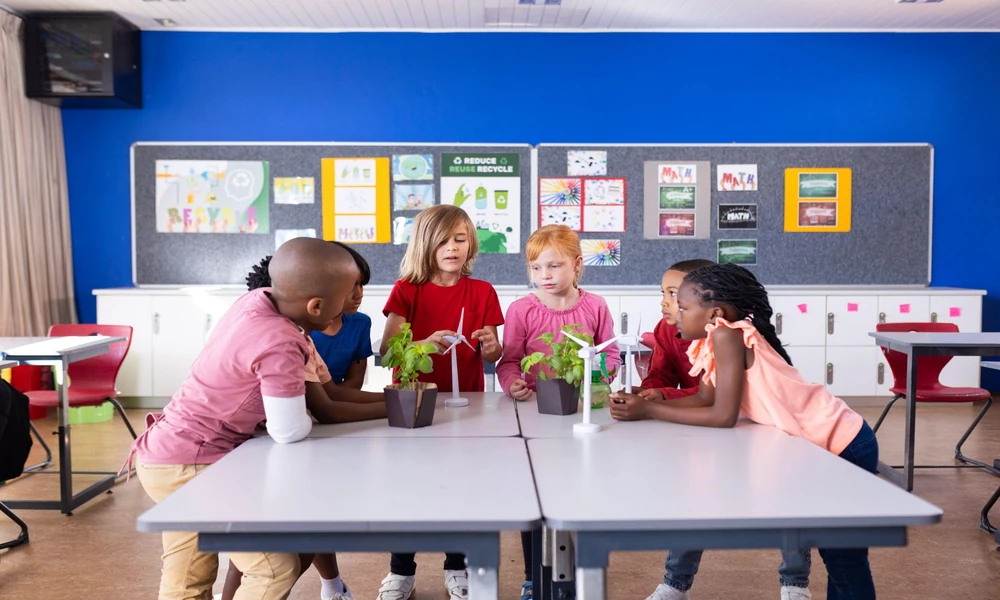
Conversely, modern global curricula centre around inquiry-based learning frameworks, such as the International Baccalaureate Primary Years Programme (IB PYP) or the Cambridge Primary curriculum. Within this approach, student-centred exploration encourages children to ask probing questions, conduct guided research, and drive their own learning journey rather than passively receiving information. Teachers focus on conceptual understanding by emphasising transferable concepts, such as sustainability, identity, and systems, rather than isolated subject facts. Furthermore, educators use formative assessment where they track growth through observational portfolios, project demonstrations, and self-reflections rather than relying solely on high-stakes written exams. Finally, cross-curricular projects allow science, art, mathematics, and literacy to blend naturally into thematic units that mirror real-world problem-solving.
This inquiry-driven approach builds independent thinkers who feel comfortable embracing complex challenges and creative experimentation from an early age.
Classroom Dynamics: Comparing Educational Environments
Classroom structure and physical learning environments vary significantly between local government schools and global institutions.
| Educational Aspect | Traditional Local Primary Schools | Private International Schools in Singapore |
| Class Size | Larger classes (typically 30 to 40 students per teacher) | Small, intimate classes (usually 15 to 22 students per class) |
| Student Body | Predominantly local, culture-specific student demographic | Culturally diverse student body representing dozens of nationalities |
| Language Focus | Primary language plus compulsory national mother tongue | English immersion alongside choice of global languages |
| Teacher Role | Authoritative subject expert directing class pace | Facilitator guiding individualised student learning paths |
Smaller class sizes allow educators to tailor their teaching strategies to match each child’s unique learning pace, ensuring no student gets left behind or feels unchallenged.
Cultivating Global Citizens: Intercultural Literacy in the Classroom
In an interconnected global economy, technical skills represent only half the equation for future success. Children need high emotional intelligence, adaptability, and cultural empathy to navigate diverse workplaces smoothly.
Enrolling your child in private international schools in Singapore exposes them to a vibrant tapestry of cultures, traditions, and perspectives every day. Celebrating global festivals, discussing international literature, and collaborating with classmates from around the world normalises cultural diversity as a natural part of daily life.
Furthermore, these institutions weave global citizenship, environmental stewardship, and personal wellness directly into their core values. Children learn to view local issues through a global lens, developing a genuine sense of responsibility toward their communities and the planet.
Holistic Growth: Balancing Academics with Personal Well-Being
While academic excellence remains a priority, global education models place equal weight on social-emotional development, artistic expression, and physical health.
Local systems often place intense psychological pressure on young learners through early streaming exams and competitive rank lists. Global curricula avoid toxic academic competition by focusing on personal growth and self-improvement instead.
Schools offer extensive co-curricular programs, from creative arts and coding to outdoor survival skills and performing arts, embedded in the school week. A balanced lifestyle helps young students maintain their enthusiasm for learning while building resilience and self-confidence.
Investigating international primary education options gives parents a clear view of how balanced, student-focused learning shapes happy, confident children.
Charting Your Child’s Future Path
International primary education offers a compelling alternative to traditional schooling by prioritising inquiry-based learning, small class sizes, and holistic personal development. By fostering global perspectives alongside academic strength, these schools prepare children to become confident, adaptable leaders in an interconnected world. Choose an educational path that inspires your child’s passion for lifelong learning.
Frequently Asked Questions
Will my child transition smoothly to higher education if they attend an international primary school?
Yes! International primary programs align with globally recognised frameworks like the Cambridge IGCSE and International Baccalaureate (IB) Diploma, ensuring seamless transitions to top high schools and universities worldwide.
How do international primary schools support non-native English speakers?
Most schools offer dedicated English as an Additional Language (EAL) support programs, where specialist teachers guide students through language acquisition while integrating them into mainstream classes.
Are international primary schools suitable for local families?
Depending on local educational regulations, many local families choose international schooling because they value inquiry-based learning, smaller class sizes, and a stress-free environment for their children.
Give your child an inspiring educational foundation that nurtures curiosity, celebrates diversity, and builds lifelong confidence. Contact The Grange Institution today to schedule a personalised campus tour.
