


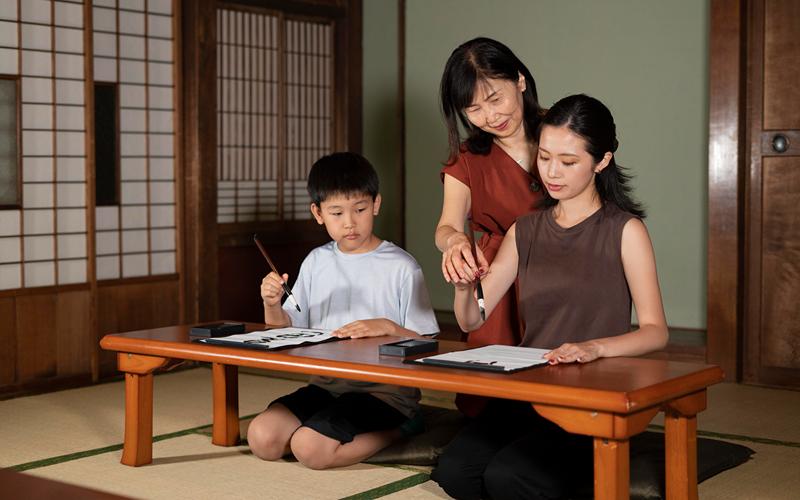
The Chinese language plays an important role in Singapore’s bilingual education system. From early years to secondary school, the Chinese curriculum is structured to help students develop communication skills, cultural understanding, and critical thinking through language. For parents, understanding how the curriculum evolves across each stage helps them provide the right support at home and select suitable learning resources.
Laying the Foundation in Preschool
The Chinese curriculum for preschoolers focuses on exposure and enjoyment rather than strict academic learning. Children are introduced to Mandarin through play, songs, stories, and daily conversations. The goal is to familiarise them with pronunciation, rhythm, and basic vocabulary. At this age, listening and speaking take priority over writing, as children develop a natural ear for the language. By keeping lessons engaging and interactive, teachers build curiosity and comfort with Mandarin, laying a strong foundation for primary education. Parents can reinforce learning at home through storytelling or simple word games that make Mandarin part of everyday life.
Transitioning into Secondary Education
The jump from primary to secondary school introduces more complexity in the Chinese curriculum. Students are expected to express themselves with greater fluency, both in writing and speaking. Composition writing now requires structured arguments, creativity, and vocabulary precision. Listening comprehension exercises become more detailed, testing understanding of tone, context, and intent.
For many students, this is when they begin to consider higher Chinese tuition for secondary school. The advanced syllabus focuses on deeper language analysis, literary appreciation, and abstract thinking. Higher Chinese provides an advantage for students aiming to pursue Chinese-related subjects in junior college or university, as it strengthens reading speed and writing quality. Tuition helps reinforce these skills, providing structured practice and exposure to a variety of texts beyond the school curriculum.
Building Literacy in Primary School
When children enter primary school, the curriculum shifts toward structured language learning. Reading and writing take on greater emphasis alongside oral communication. Students are introduced to Chinese characters, sentence formation, and short passages that build comprehension skills. Grammar and vocabulary expansion become essential as children learn to write compositions. The syllabus also integrates cultural knowledge through stories and texts that reflect Chinese values and traditions.
For students who struggle, extra practice in reading and character recognition helps reinforce classroom lessons. Parents can support progress by encouraging daily reading habits in Mandarin and providing access to resources such as picture books or audio stories that match their reading level. Early exposure during preschool makes this transition smoother, as children already recognise tones and sentence flow.
Preparing for Major Examinations
By the time students reach Sec 4, the focus of the curriculum turns to exam readiness. The sec 4 Chinese tuition classes in Singapore are tailored to prepare students for national examinations such as the O-Levels. These programmes train students in composition techniques, oral communication, comprehension analysis, and situational writing.
The aim is to refine accuracy and confidence under timed conditions. Teachers guide students through model essays and past papers to familiarise them with assessment formats. Beyond language mastery, success at this stage requires strategy, understanding marking criteria, managing time effectively, and maintaining consistency in tone and clarity. Parents can support by creating a stable environment for revision and encouraging regular reading in Mandarin to maintain fluency.
Encouraging Continuous Learning
Language learning is cumulative. Each stage builds upon the last, making consistent exposure essential. The Chinese curriculum across preschool, primary, and secondary education is designed to promote continuous growth rather than isolated achievements. Regular use of the language at home, through conversations or media, helps keep it relevant in daily life. Encouraging children to watch Mandarin programmes, read newspapers, or engage in cultural events deepens their connection to the language.
A student’s success in Chinese extends beyond grades, it reflects cultural awareness and the ability to communicate effectively in different contexts. For parents, supporting this journey means fostering positive attitudes toward learning rather than focusing solely on results. When children associate Mandarin with interest and confidence, they are more likely to excel academically and retain the language long term.
Learn More: The Ultimate Guide to Finding the Best Chinese Tuition in Singapore
The Value of Early and Consistent Support
The progression from preschool Chinese enrichment to higher Chinese in secondary school shows the importance of early preparation and sustained effort. Starting with enjoyable exposure in the preschool years gives children a natural grasp of pronunciation and rhythm. As they progress, structured lessons, reading practice, and guided tuition refine their skills. Consistent involvement from parents ensures children view Chinese as a meaningful part of their education and identity.
The Chinese curriculum in Singapore is designed to nurture lifelong proficiency through gradual, purposeful learning. Parents who understand each stage can help their children navigate challenges confidently and achieve fluency that lasts beyond examinations.
For more information about the Chinese curriculum, contact Tien Hsia Language School today.
