


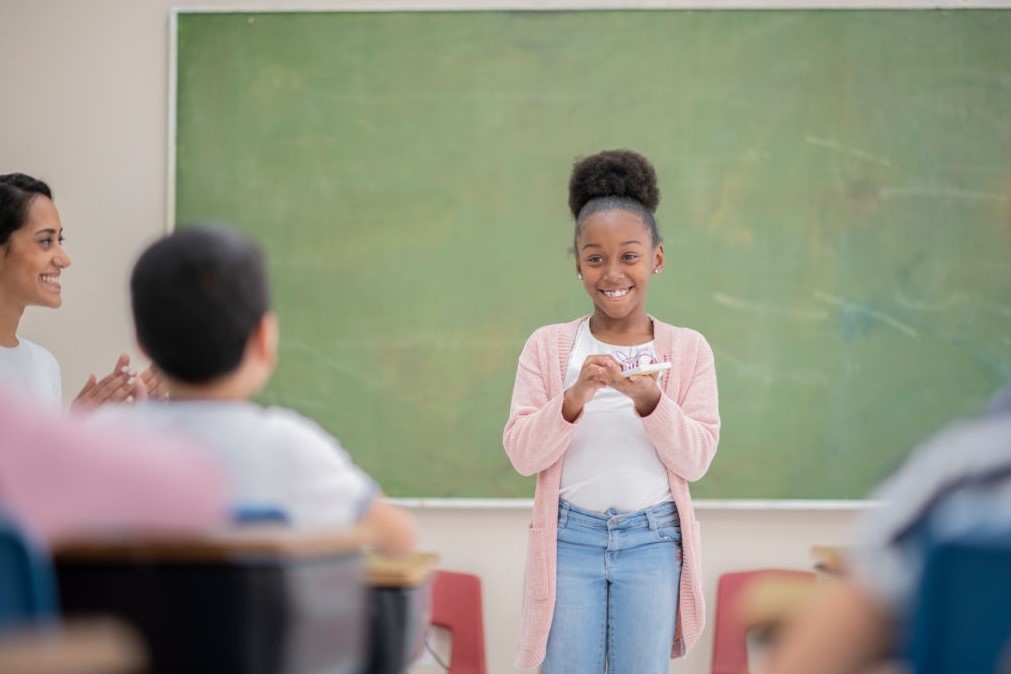
Many parents observe their children struggling with shyness, watching them retreat into themselves during social situations or avoid speaking up in group settings. This natural tendency towards introversion can significantly impact a child’s academic performance, social relationships, and overall self-esteem. Speech and drama programmes offer a structured, supportive environment where shy children can gradually build confidence whilst developing essential communication skills.
Understanding the Impact of Shyness on Child Development
Social Challenges Faced by Shy Children
Shy children often experience difficulty forming friendships and participating in classroom discussions. They may possess brilliant ideas but lack the confidence to share them with others, leading to missed opportunities for intellectual growth and social connection. These communication barriers can create a cycle where limited social interaction further reinforces their tendency to withdraw from group activities.
Academic Implications of Communication Anxiety
In educational settings, shy children frequently struggle to ask questions when they need clarification or assistance. Their reluctance to participate in presentations or group work can negatively affect their grades and teacher assessments. The gap between their actual abilities and their demonstrated performance often widens as they progress through their academic journey.
Long-term Effects on Personal Growth
Without intervention, childhood shyness can persist into adolescence and adulthood, affecting career prospects and personal relationships. Young people who haven’t developed strong communication skills may find themselves at a disadvantage in job interviews and professional networking situations. Early intervention through structured speech and drama activities can prevent these long-term challenges from taking root.
How Speech and Drama Activities Build Confidence
Creating a Safe Space for Expression
Drama classes provide a controlled environment where children can experiment with different personalities and voices through character work. This theatrical framework allows shy children to express themselves without feeling personally exposed or vulnerable. The structure of dramatic activities gives them permission to be bold and expressive in ways they might never attempt in regular social situations.
In today’s 21st century world, the ability to speak confidently and articulate thoughts clearly has become more crucial than ever before. As our society becomes increasingly interconnected through digital communication and global collaboration, children who develop strong verbal communication skills early will have significant advantages in their future career progression. Whether they pursue careers in technology, business, healthcare, or any other field, the ability to present ideas persuasively, participate meaningfully in discussions, and communicate with diverse audiences will directly impact their professional success and leadership potential as adults.
Gradual Exposure to Public Speaking
Speech and drama programmes introduce public speaking elements progressively, starting with small group activities before advancing to larger audiences. Children begin by reading simple scripts or performing short scenes with partners, gradually building their comfort level with being observed. This systematic approach ensures that each child can progress at their own pace without feeling overwhelmed by expectations.
Developing Vocal Confidence and Presence
Through vocal exercises and projection techniques, children learn to use their voices effectively and purposefully. They discover how to vary their tone, pace, and volume to convey different emotions and meanings. These technical skills translate directly into improved everyday communication, helping them speak more clearly and confidently in various situations.
Key Benefits of Structured Drama Education
Enhanced Communication Skills
Regular participation in speech and drama activities significantly improves children’s ability to articulate their thoughts and ideas clearly. They learn to organise their thinking, choose appropriate vocabulary, and deliver messages with greater impact and clarity. These enhanced communication abilities serve them well across all areas of their academic and personal lives.
Improved Social Interaction Abilities
Drama work inherently involves collaboration, teaching children how to work effectively with others towards common goals. They learn to listen actively, respond appropriately, and contribute meaningfully to group discussions and activities. These social skills become invaluable tools for building friendships and navigating complex interpersonal relationships.
Greater Self-Awareness and Emotional Intelligence
Through character exploration and role-playing exercises, children develop a deeper understanding of emotions and motivations, both their own and others’. They learn to recognise and manage their feelings more effectively whilst developing empathy for different perspectives. This emotional growth contributes significantly to their overall maturity and social competence.
Implementing Effective Speech and Drama Strategies
Age-Appropriate Activity Selection
Successful programmes carefully match activities to children’s developmental stages, ensuring that exercises are challenging yet achievable. Younger children might focus on simple storytelling and puppet work, whilst older participants can tackle more complex scenes and improvisation exercises. This tailored approach maintains engagement whilst promoting steady skill development.
Progressive Skill Building Techniques
Effective speech and drama instruction builds skills systematically, with each new activity reinforcing and expanding upon previously learned concepts. Children master basic techniques like voice projection and clear articulation before moving on to more advanced skills such as character development and emotional expression. This scaffolded learning approach ensures solid foundational skills whilst maintaining student motivation.
Creating Supportive Learning Communities
The most successful programmes foster environments where all participants feel valued and encouraged to take creative risks. Instructors establish clear guidelines that promote respect, inclusivity, and constructive feedback amongst group members. This supportive atmosphere allows shy children to gradually overcome their inhibitions whilst developing lasting friendships with like-minded peers.
Speech and drama education offers transformative opportunities for shy children to develop essential life skills in communication, confidence, and social interaction. These programmes provide structured pathways for personal growth that extend far beyond the classroom or stage.
