


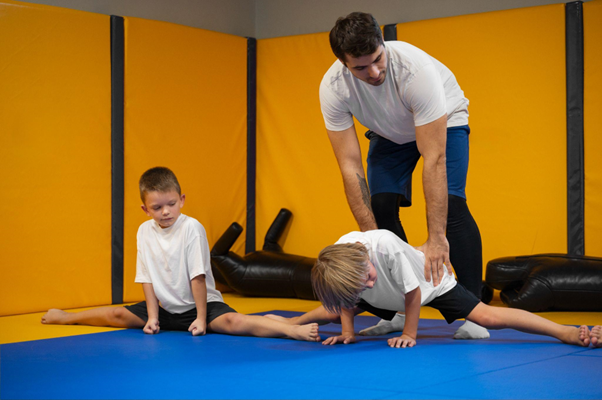
Parents enrolling their children in gymnastics for kids often think about the benefits of discipline, flexibility, and strength training. Yet, the most critical factor to prioritise before long-term enrolment is safety. A gym trial allows parents to see first-hand whether the gym environment, equipment, and coaching practices meet essential safety standards. Unlike brochures or promotional materials, a trial session offers an unfiltered look at how a gym operates.
Discover six key reasons why gym trials in Singapore play a vital role in assessing safety.
1. Identifying the Quality of Equipment
Children rely on well-maintained equipment to practise safely. During a gym trial, parents can examine whether mats are firm yet cushioned, whether beams and bars are steady, and if trampolines or vaulting apparatus are free from visible wear and tear. Gyms that invest in quality equipment usually also enforce regular inspections. Observing how children interact with these tools during a trial helps parents judge whether the facility takes age-appropriateness and safety seriously. A single loose bar or worn-out mat can cause preventable injuries, making equipment inspection a top priority.
2. Observing Safety Protocols in Action
Most facilities outline safety policies in writing, but a trial is the only way to see them applied in practice. Parents should watch how coaches manage warm-ups, spot children during routines, and guide them through potentially risky movements. Do coaches demonstrate attentiveness when a child appears uncertain? Is there a structured cool-down to avoid strain? A gym trial also gives parents insight into how ready the staff are for emergencies. Noticing the presence of first-aid kits, visible emergency exits, and coaches with first-aid certification are essential signals that the gym does not compromise on safety preparedness.
3. Evaluating Coach-to-Child Ratios
No matter how skilled the coaches are, overcrowded classes raise safety risks. Parents, during a trial, can see if there are enough instructors and assistants for the number of children. For instance, a class of fifteen with only one coach will struggle to ensure proper supervision. High-quality gyms typically maintain smaller groups, allowing instructors to provide corrections, reinforce safe landings, and immediately intervene if something goes wrong. Observing the attentiveness of the coaching team in a trial gives parents an accurate idea of whether supervision levels are adequate to keep children safe.
4. Understanding Progression and Skill Readiness
Children should not be rushed into advanced routines before mastering foundational techniques. A well-structured gym trial demonstrates how the gym progresses skills in stages. For example, before a child attempts a vault, the coach should ensure they are confident with basic jumps, landings, and core strength exercises. Parents can observe if coaches encourage proper repetition and gradual development rather than pushing children into complex routines for quick results. This incremental approach reduces the likelihood of accidents such as falls, strains, or sprains, while instilling confidence in children.
5. Assessing Hygiene and Facility Safety
Safety extends beyond equipment and supervision. Cleanliness and organisation are equally important. Parents, during a trial, should take note of whether the gym floor is clear of clutter, whether mats are sanitised regularly, and if shared equipment is disinfected between classes. Ventilation, air conditioning, and adequate lighting also contribute to a safe environment by reducing fatigue and ensuring children can see clearly while moving. Gymnastics for kids in Singapore often run classes back-to-back, and the ability of a gym to maintain hygiene while managing high traffic reflects its commitment to overall safety.
6. Gauging the Child’s Comfort and Response
A safe environment is not only physical but also emotional. Children should feel supported, not pressured, during their first experience. Parents can observe how their child reacts to the coaches’ communication style, how peers interact, and whether the atmosphere encourages confidence rather than fear. Once a child seems hesitant but is patiently guided, it suggests the coaches prioritise building trust. On the other hand, a rushed or intimidating approach increases the risk of mistakes and injuries. A gym trial gives parents this vital insight into whether safety is reinforced through emotional reassurance as well as structured routines.
Conclusion
A gym trial is far more than an introductory class; it is a critical evaluation tool for parents. It offers an unfiltered look into how well a facility manages safety across equipment, coaching, supervision, hygiene, and child engagement. Parents can make informed decisions about enrolling their children in gymnastics for kids by carefully observing these six areas. Safety should always be the foundation of skill development, and a trial session ensures parents can identify the gyms that uphold this standard.
Contact BearyFun Gym to ensure your child enjoys the benefits of gymnastics with confidence and protection.
